

Presence Isn’t Inclusion, Especially for Parents
There’s a point where you realize that being a parent of a neurodivergent child quietly turns you into something else. Not by choice, and not because you feel particularly qualified. You become an advocate, a translator, a planner, and sometimes a buffer between your child and a system that doesn’t quite know what to do with them.
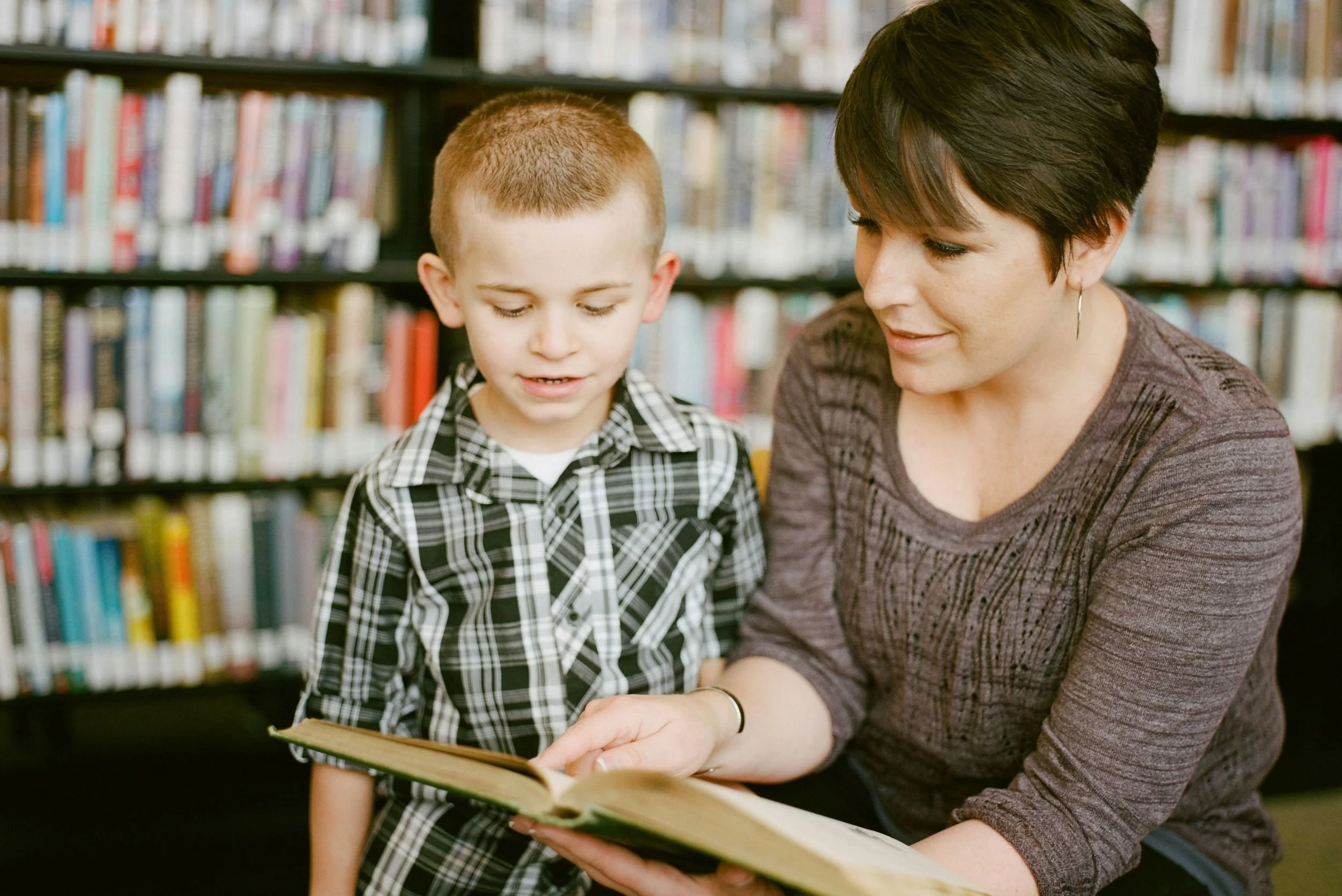
How Can AI Support Special Education Students Without Replacing Teachers?
Special education teachers are drowning in compliance tasks, documentation, and communication demands, leaving little time for instruction or connection. AI won’t replace special education teachers, but it can reduce workload, apply accommodations with fidelity, and support diverse learners through UDL-aligned scaffolding. Here’s what human-centered AI should look like in practice.
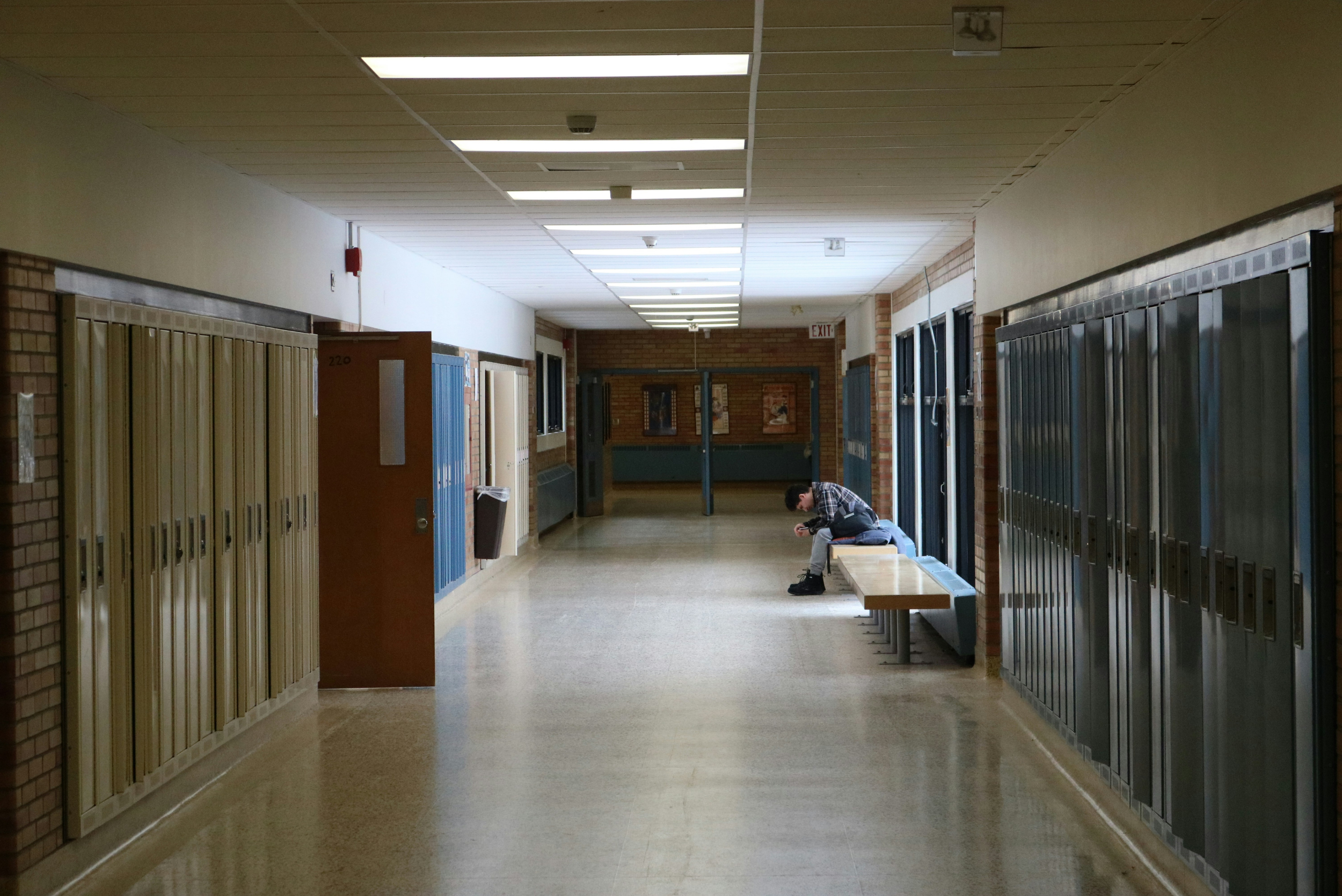
The New Inclusion Crisis in Education: Why Opportunity, Not Presence, Defines Equity
“Inclusion is not based on presence; it's based on equitable opportunity.” – Brian E. Roach
In speaking to one of my colleagues at HiNAIA I used that line. It resonated with me because I spent years watching what happens when presence gets mistaken for inclusion. A child can be in the room, in the routine, in the picture and still be completely invisible in ways no gradebook will ever show. My daughter experienced that kind of quiet exclusion more often than anyone realized.

How AI Helps Special Education Teachers Save Time
In theory, special education is just good teaching. It's about supporting students in meaningful, personalized ways. But in practice, it often felt like I was spending more time behind my computer documenting and discussing support than actually providing it.